Xiaomi’s latest smartphone is called the Redmi M100 Pro, and it’s now available in China. The Redmi M100 Pro is powered by a MediaTek Dimensity 7300 Ultra processor, with up to 12GB of LPDDR4X RAM, and 256GB of UFS 2.2 internal storage. It ships with Android 16-based HyperOS 3. A large 6.67-inch AMOLED screen is on the front, with a high 120Hz refresh rate, and Corning Gorilla Victus 2 protection. A 20-megapixel selfie snapper is on the front. On the back, you get a 50-megapixel main shooter, an 8-megapixel ultra-wide, 2-megapixel macro lens. Keeping the lights on is a 5,500mAh battery with 45W fast charging. The Redmi M100 Pro has a price of CNY2,499 (~Php23,800). Judging by the design and specs, it appears to be a Redmi Note 14 Pro . Redmi M100 Pro Specs Android 16, HyperOS 3 Dual SIM, Dual Standby 6.67-inch FHD+ AMOLED display, 2712 x 1220 pixel resolution, ~446ppi 120Hz refresh rate, 1920Hz PWM dimming HDR10+, Dolby Visi...
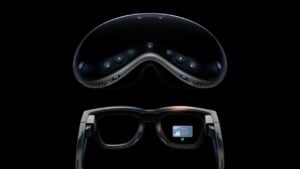
Apple has reportedly decided to delay plans for a major update to its high-end Vision Pro headset. Instead, the company is allegedly moving its focus to creating a new line of AI-powered smart glasses that would compete directly with products from Meta.
This new rumor comes from a report by Bloomberg’s Mark Gurman. Although Apple had been developing a more affordable and lighter version of the Vision Pro, it is now reassigning staff from that project to work on the new smart glasses initiative.
According to the report, Apple is developing at least two different types of smart glasses.
The first model, known internally as the N50, is designed to work with an iPhone and will not have its own built-in display. Apple’s current plan is to announce these glasses as early as next year, with a full release to the public scheduled for 2027.
The second model is a more advanced version that will include its own display. This product would put Apple in direct competition with the recently announced Meta Ray-Ban smart glasses that have displays, which were unveiled just last month. While Apple had originally targeted a 2028 release for these display-equipped glasses, the company is now trying to speed up their development.
This new focus shows that Apple is eager to catch up in the smart glasses market. Despite its efforts, the company is still behind its main rival. Meta launched its first generation of smart glasses back in 2021, giving it a 5-year head start in the emerging product category.
This article, Apple puts Vision Pro update on hold to speed up development of AI smart glasses, was originally published at NoypiGeeks | Philippines Technology News, Reviews and How to's.
Comments
Post a Comment