If you watch videos online, you might have noticed fewer interruptions if you use DuckDuckGo’s browser lately. The company has rolled out an update that cuts out most video ads, and that includes the ones that play before and during clips on YouTube. This new system uses publicly available blocking lists from a community project called uBlockOrigin. The DuckDuckGo team also tweaks the rules occasionally to keep everything running smoothly. But like most things in life, there is a trade-off. You may notice that videos take a little longer to start playing. The company also admits that the tool is not perfect and users might run into small glitches every now and then. 11 Google Search alternatives you should try Google Browser Game Codes: Play fun, casual games with Google For most people using DuckDuckGo on a Windows computer, a Mac, or an iPhone, this ad-blocking feature is already active without any setup required. If you are on an Android device, it will b...

Meta has introduced a new tool that helps people check if a picture was made using its own artificial intelligence systems. The feature looks for a hidden digital watermark that the company adds to content created with its latest image generator, Muse Image.
This marker, called Content Seal, is invisible to the human eye. Meta says it stays on a picture even if someone crops it, resizes it, takes a screenshot, or compresses the file. The company is currently showing a preview of a web-based detector that reads these markers.
However, it’s important to note that the Content Seal system only works for images made or changed using Muse Image. Meta plans to add the same watermarking to AI-generated videos in the future. It is also preparing a separate video tool called Muse Video, which should arrive soon.
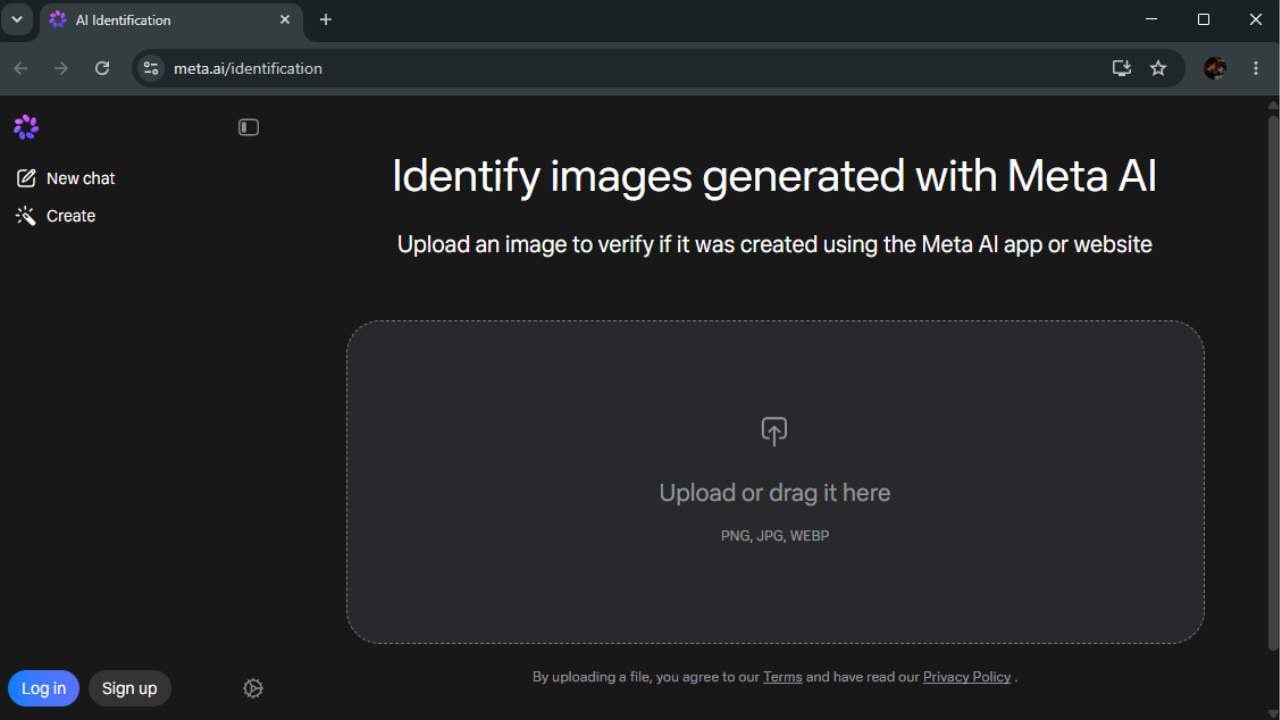
When tested, the detector correctly flagged both fully AI-made images and edited pictures. It even worked on screenshots. According to Meta, a positive result means the image came from its AI app or website. A negative result means it probably did not.
However, the tool is not yet part of Meta’s main AI chatbot. When asked about an AI image, the chatbot said it could not tell for sure just by looking at it.
Meta has faced criticism before about how it handles AI content. Earlier this year, the Oversight Board said the company was not applying watermarks consistently across its own tools.
There are other limits as well. The new watermark does not work with popular systems like SynthID or C2PA, which other tech companies use. The detector also failed to identify images made with older versions of Meta’s AI. And after uploading a few pictures, users may hit a daily check limit, which stops further tests.
This article, Meta’s new ‘Content Seal’ tool can detect AI-generated images, was originally published at NoypiGeeks | Philippines Technology News, Reviews and How to's.
Comments
Post a Comment