The Beelink EQi 304 is now official as the first mini PC to come with the latest Intel Wildcat Lake processor. Powering the Beelink EQi 304 Mini PC is an Intel Core 3 304 processor, which is built on the Intel 18A process. This one has five cores, five threads, and turbo speeds of 4.3GHz. It is paired with an Intel Xe3-LPG GPU and has an NPU with 24 TOPS of power. You can get it with 16GB/24GB/32GB LPDDR5-5600 RAM and 512GB of UFS 3.1 internal storage. All this hardware is packed inside a Mac Mini-like square chassis, with ample necessary ports on the front and more in the back. The EQi 304 is now listed on the Beelink website with a starting price of USD509 (~Php31,400). Beelink EQi 304 Specs Windows 11 Pro Intel Core 3 304 Wildcat Lake CPU 16GB/24GB DDR5, 32GB LPDDR5 RAM 512GB UFS 3.1 flash storage, Dual M.2 2280 (up to 4TB per slot) WiFi 6 Bluetooth 5.2 Front I/O: Power button, Indicator Light USB-C (up to 10Gbps) U...

Gaming has never stood still—and neither has ASUS ROG.
Over the last two decades, ASUS Republic of Gamers (ROG) has grown from an ambitious idea into one of the biggest and most recognizable names in PC gaming. But becoming an industry icon wasn’t an overnight success. It took years of relentless innovation, bold engineering, and a willingness to challenge conventions.
As ASUS ROG celebrates its 20th anniversary in 2026, it’s the perfect time to look back at the milestones that shaped its legacy—and how that same spirit continues to define its latest lineup of gaming laptops.
2006–2010: The Beginning of a Gaming Revolution
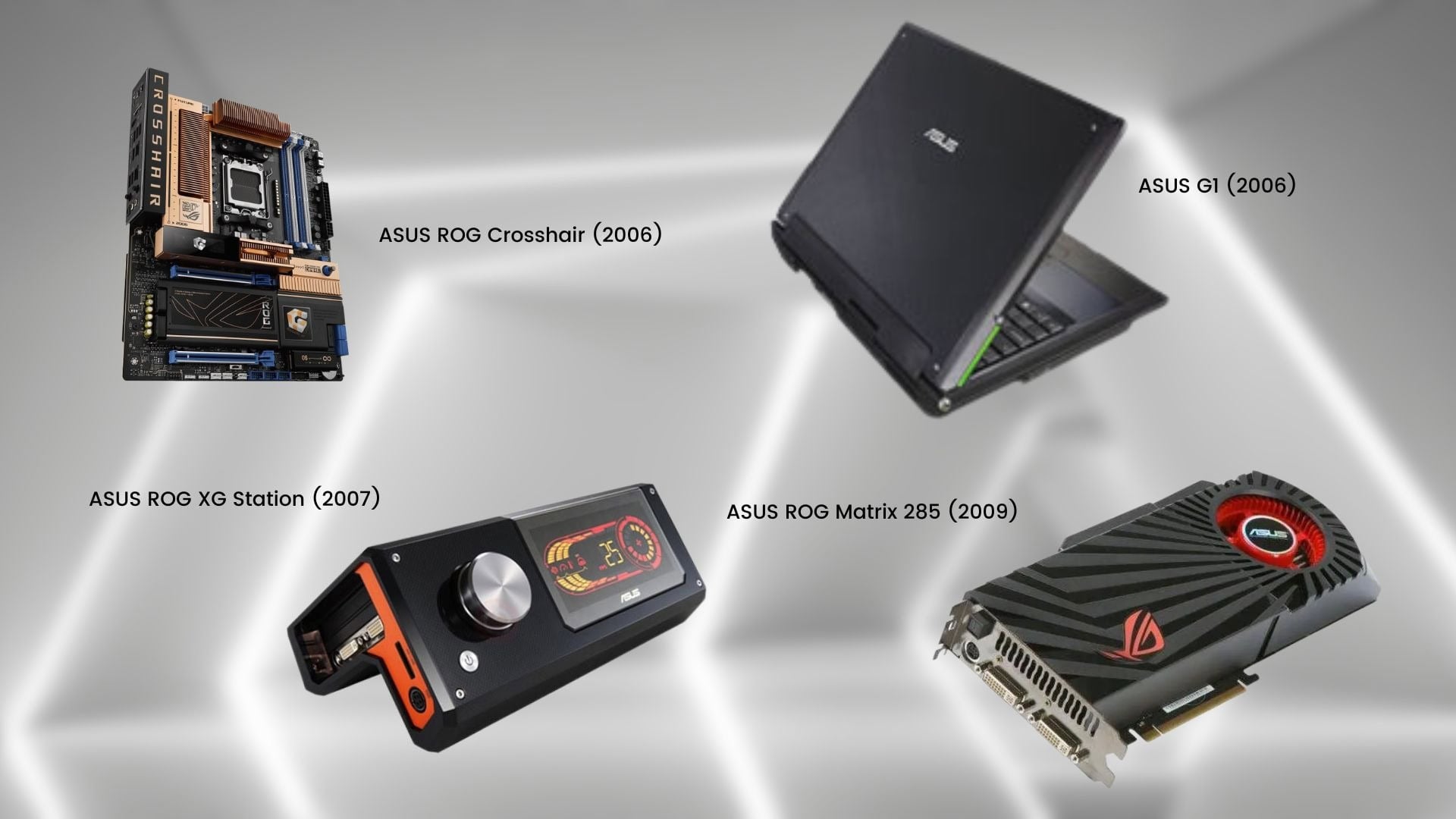
The ROG journey began in 2006 when a passionate team of ASUS engineers set out with a simple yet ambitious goal: create gaming hardware that could truly keep pace with the rapidly evolving PC gaming scene.
Their first creation was the ROG Crosshair motherboard, a product that immediately established the performance-first DNA of the brand. It also introduced the original “Project G” logo, marking the birth of a new gaming identity.
Momentum came quickly. In the same year, ASUS introduced its first gaming laptop, the ASUS G1, which also debuted the now-iconic Fearless Eye logo that has become synonymous with ROG.
ROG wasn’t content with simply entering existing markets—it wanted to create new ones. In 2007, it unveiled the ROG XG Station, the world’s first external GPU docking station, giving gamers desktop-class graphics performance in a portable setup long before eGPUs became mainstream.
The innovations continued in 2008 with the launch of the ROG G70 gaming laptop and the ROG Matrix EN9800GT, the brand’s first graphics card engineered specifically for gamers.
By 2009, RGB lighting was beginning to define gaming aesthetics. The ROG Matrix 285 became the first RGB-lit ROG graphics card, while the limited-edition ROG MARS packed two GTX 285 GPUs into one extraordinary card.
Then came one of the most influential gaming laptops of its era. Inspired by the stealthy Lockheed F-117 Nighthawk, the ROG G73JH introduced a rear-vent cooling design that would later become an industry standard for high-performance gaming laptops.
2011–2015: Expanding the Republic
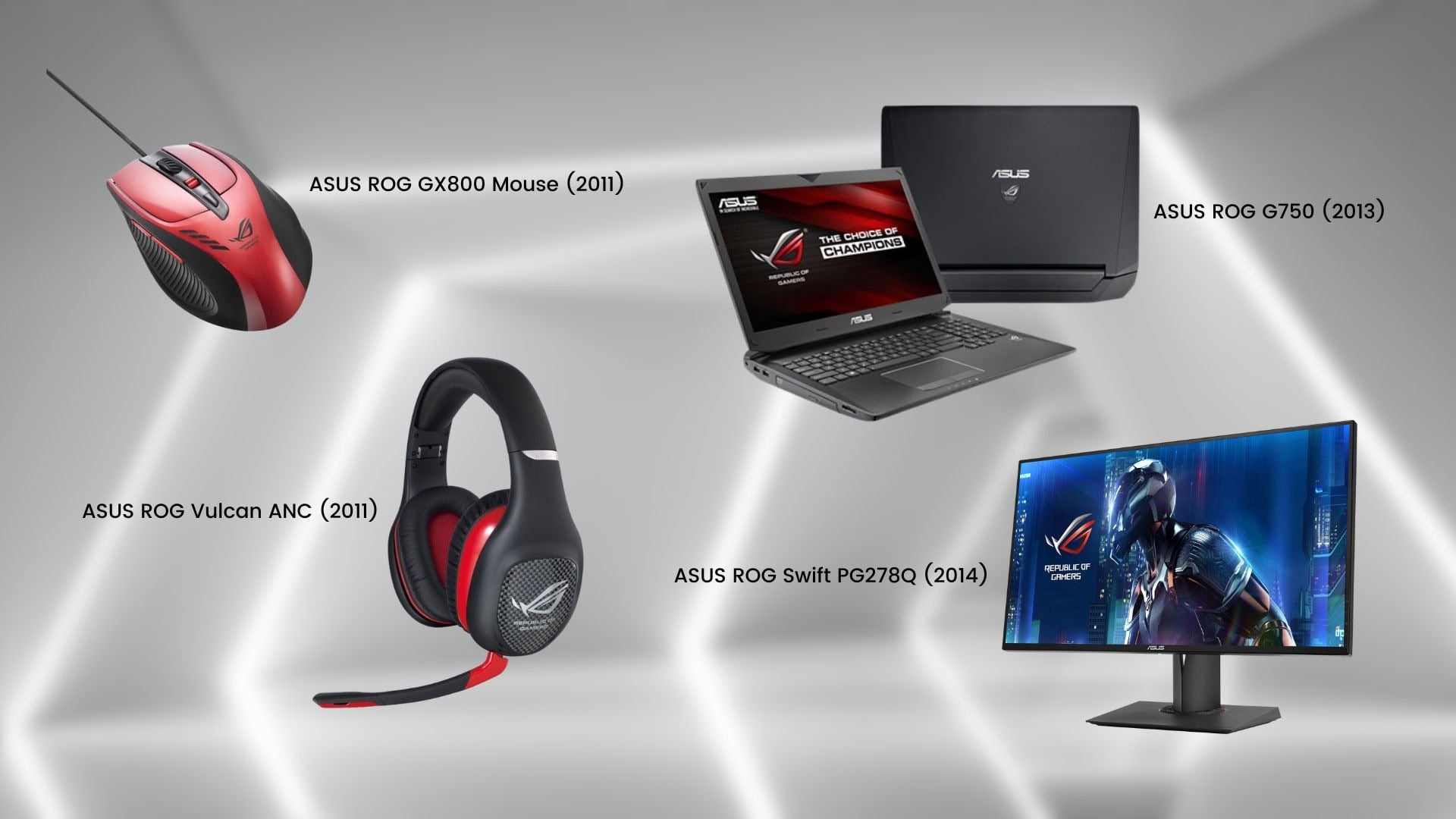
With its reputation firmly established, ROG expanded beyond PCs.
In 2011, the brand introduced its first gaming mouse, the ROG GX800 Mouse, alongside the ROG Vulcan ANC gaming headset, one of the earliest gaming headsets to feature active noise cancellation.
Recognizing that immersive gaming isn’t just about graphics, ASUS introduced the ROG G750 in 2013, becoming one of the first gaming laptops with a dedicated headphone amplifier for premium audio performance.
The expansion continued in 2014 with the ROG Swift PG278Q—the world’s first 27-inch WQHD gaming monitor featuring a blazing-fast 144Hz refresh rate and NVIDIA G-SYNC support.
ROG then pushed laptop cooling even further in 2015 with the ROG G752, introducing its first 3D vapor chamber cooling system.
2016–2020: Redefining What Gaming Hardware Could Be
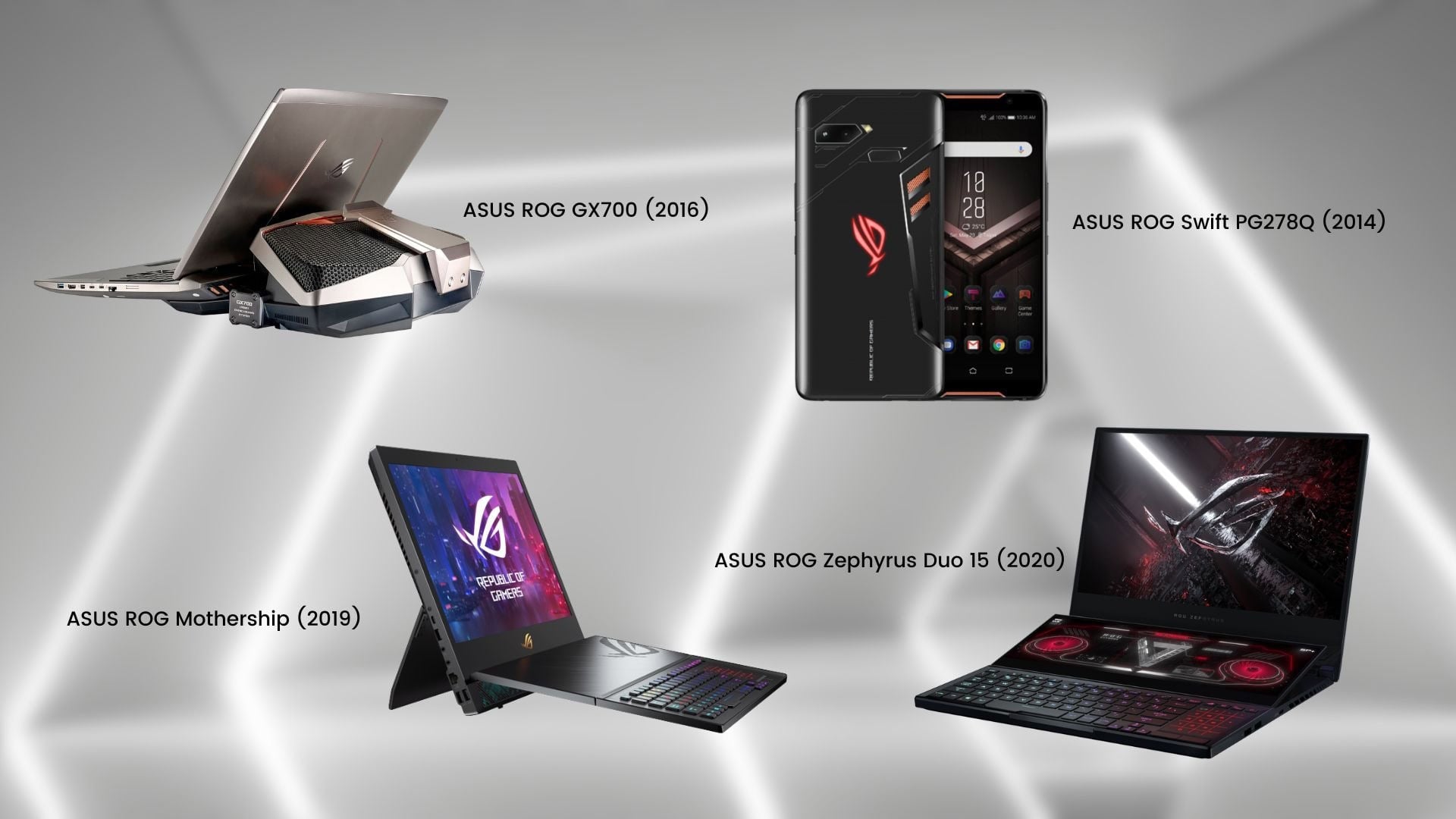
Innovation accelerated even further during this period.
The ROG GX700 arrived with the world’s first detachable liquid-cooling dock for a gaming laptop, showcasing ASUS’ willingness to experiment with unconventional designs.
A year later, the ROG Zephyrus GX501 changed the industry forever. Widely regarded as the world’s thinnest gaming laptop at launch, it proved that gaming laptops no longer had to be bulky to deliver flagship performance.
In 2018, ROG entered the smartphone market with the original ROG Phone, bringing incredible gaming features and modular cooling accessories to mobile gamers. That same year also saw the arrival of the ROG Strix SCAR II, the first gaming laptop with a 144Hz display and ultra-narrow bezels.
Then came perhaps one of the boldest laptop designs in ROG history—the ROG Mothership. Featuring a standing display, detachable keyboard, and Liquid Metal thermal compound, it looked unlike anything else on the market.
By 2020, ASUS once again reimagined laptop design with the ROG Zephyrus G14, introducing the customizable AniMe Matrix LED lid. The ROG Zephyrus Duo 15 followed with the innovative ScreenPad Plus secondary display, elevating multitasking, streaming, and content creation.
2021–2025: Innovation Without Limits
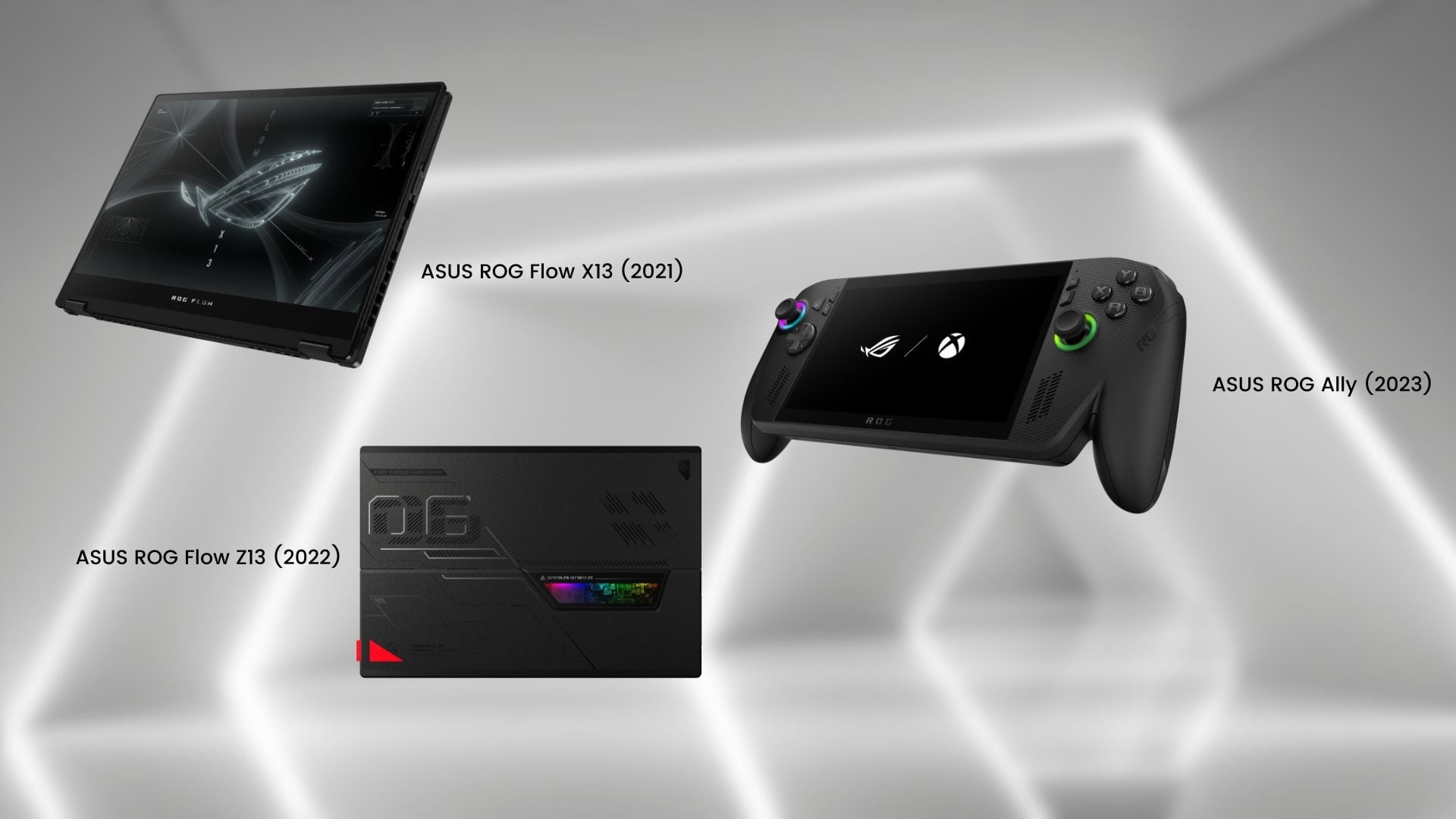
ROG entered the new decade with an even broader vision.
The ROG Flow X13 introduced an entirely new form factor—a compact 13-inch convertible gaming laptop that paired with the proprietary XG Mobile external GPU for desktop-level graphics power.
In 2022, ASUS doubled down on portability with the ROG Flow Z13, a Windows gaming tablet that packed gaming laptop hardware into an ultra-portable detachable design.
The following year, the ROG Ally made its debut, bringing Windows gaming into a handheld form factor while becoming one of the first devices in its class to feature a VRR display. ASUS also unveiled the latest ROG Strix SCAR with its advanced Tri-Fan cooling technology.
The premium Zephyrus series received a major redesign in 2024. The G14 and G16 adopted CNC-milled aluminum chassis, gorgeous OLED displays with up to 240Hz refresh rates, and the distinctive Slash Lighting design, making them among the most premium gaming laptops ever produced by ASUS.
In 2025, ASUS partnered with Xbox to introduce the ROG Xbox Ally and ROG Xbox Ally X, combining Windows gaming flexibility with an Xbox Full Screen Experience. The company also made laptop upgrades easier than ever by introducing a tool-less chassis design and the proprietary Q-Latch SSD system on the latest ROG Strix SCAR and Strix G series.
Now: The Next Generation of ROG Gaming Laptops
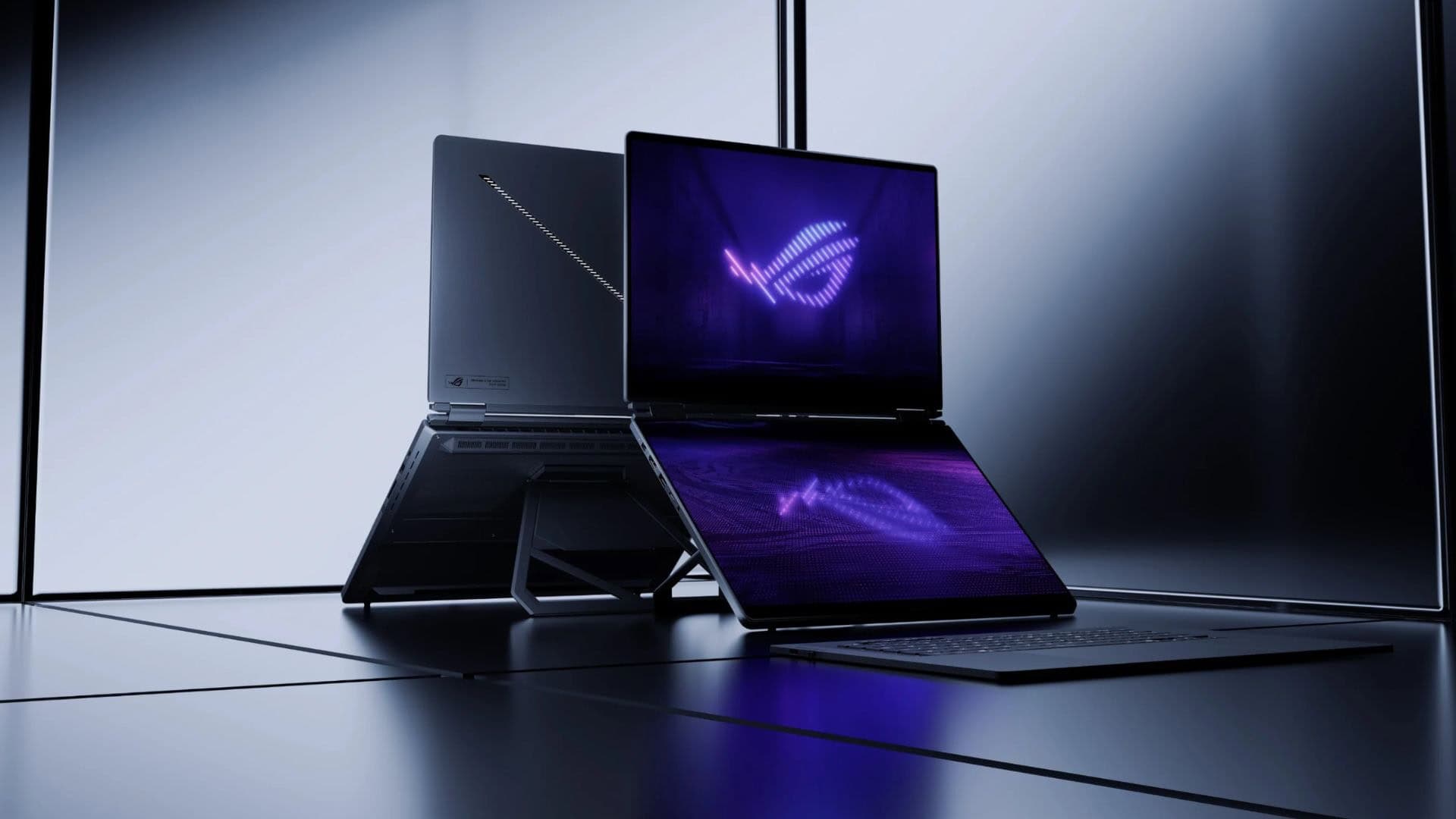
Twenty years after the birth of the Republic of Gamers, ASUS continues to push boundaries with one of its strongest laptop lineups yet.
Leading the charge is the latest ROG Zephyrus Duo, the world’s first dual 16-inch gaming laptop. Equipped with two stunning 3K ROG Nebula HDR OLED touchscreens running at 120Hz with an ultra-fast 0.2ms response time, it’s built not only for immersive gaming but also for creators, streamers, and power users.
Under the hood, it packs up to an NVIDIA GeForce RTX 5090 Laptop GPU alongside ROG Intelligent Cooling to keep performance at its peak.
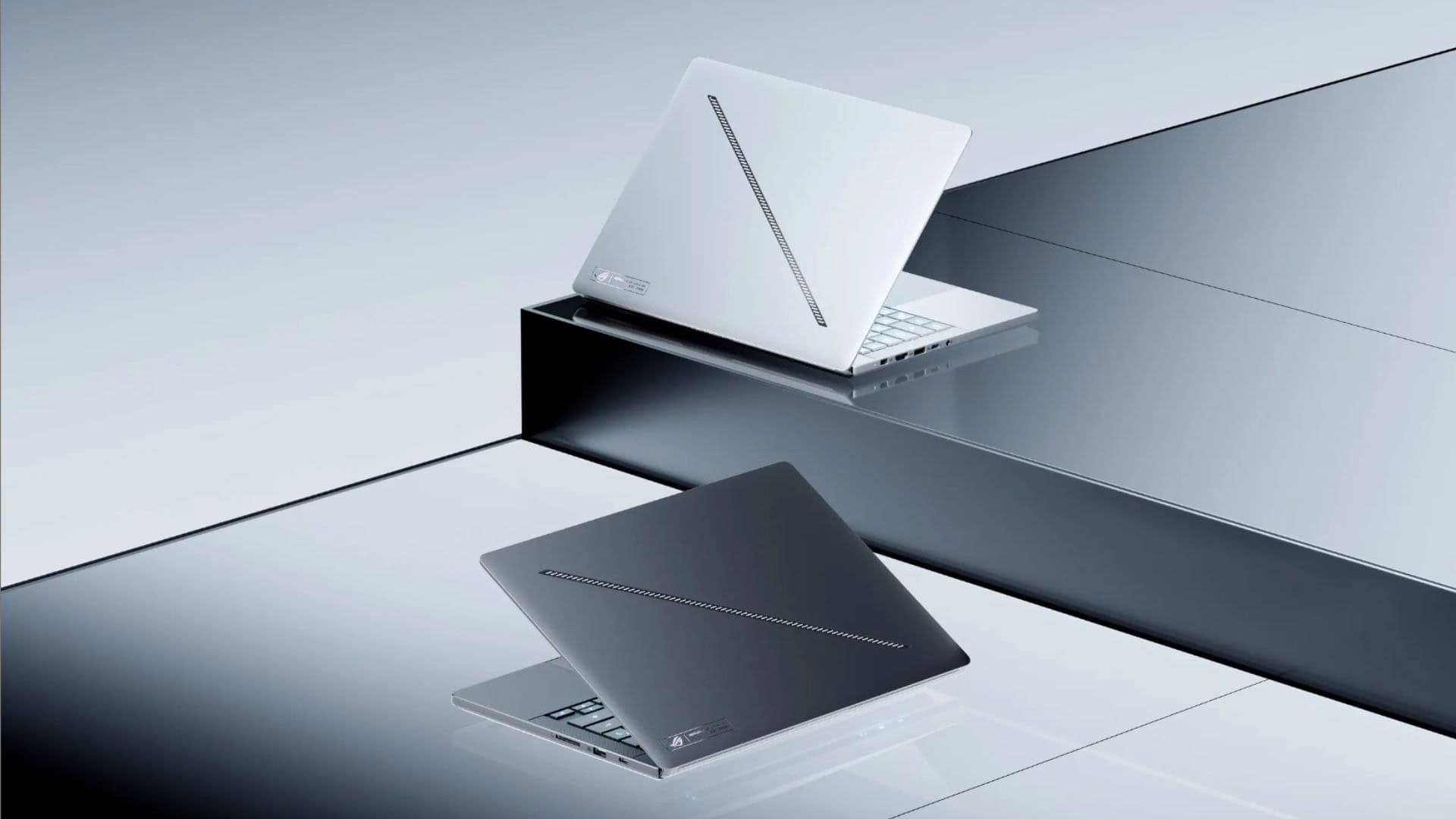
The ROG Zephyrus G14 and G16 continue to strike the perfect balance between portability and power.
Powered by the latest Intel Core Ultra processors with up to 50 TOPS AI performance and up to NVIDIA GeForce RTX 5080 Laptop GPUs, these sleek machines also feature brilliant ROG Nebula HDR OLED displays, premium CNC-milled aluminum construction, and advanced Tri-Fan Intelligent Cooling.
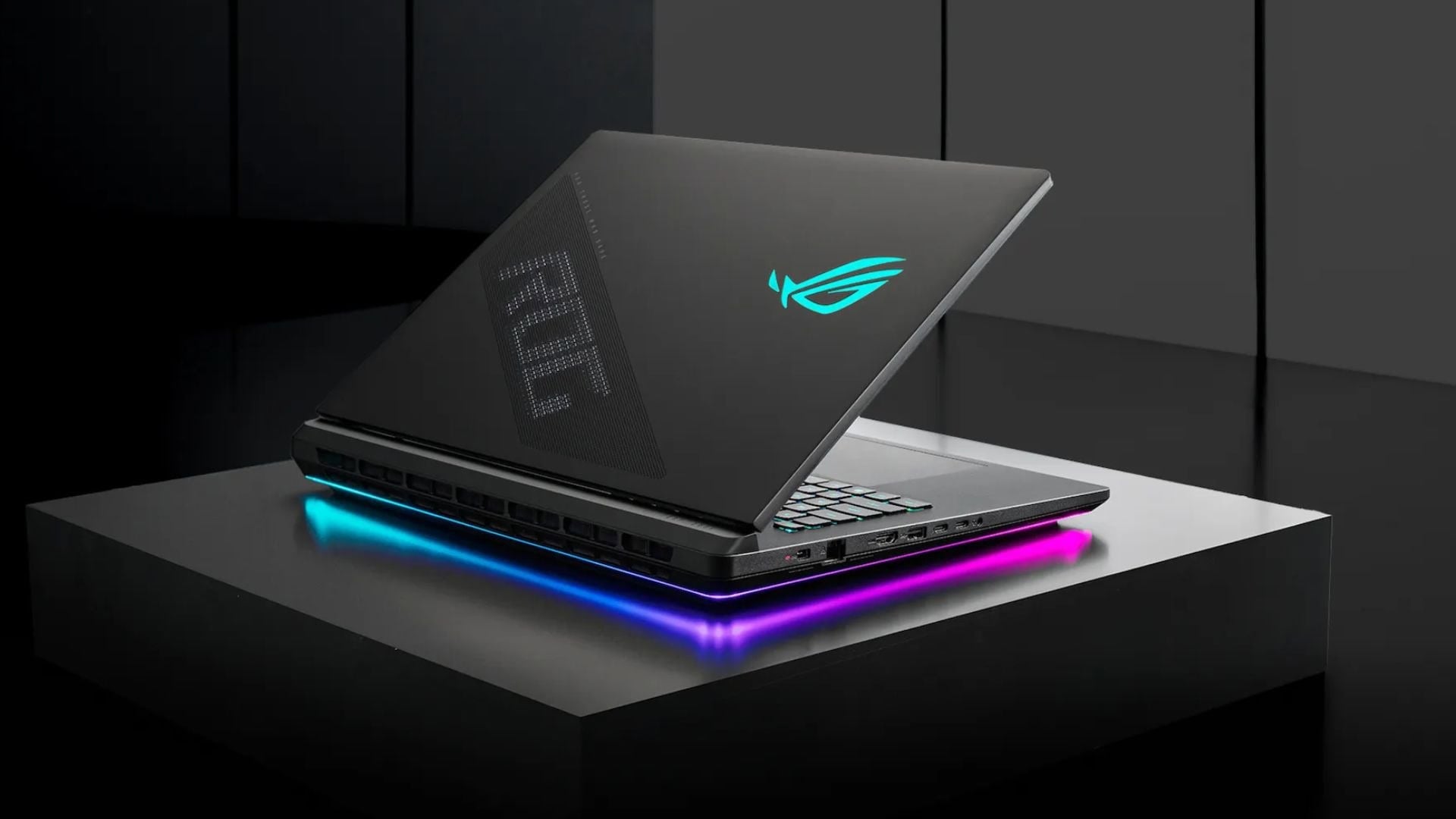
For enthusiasts who demand the absolute best, the ROG Strix SCAR 18 delivers a true flagship experience.
It features the eye-catching AniMe Vision LED display on the lid, an immersive Full-Surround Aura RGB lightbar, a massive 18-inch 4K Mini LED display with a 240Hz refresh rate, an Intel Core Ultra 9 processor, and up to an NVIDIA GeForce RTX 5090 Laptop GPU.
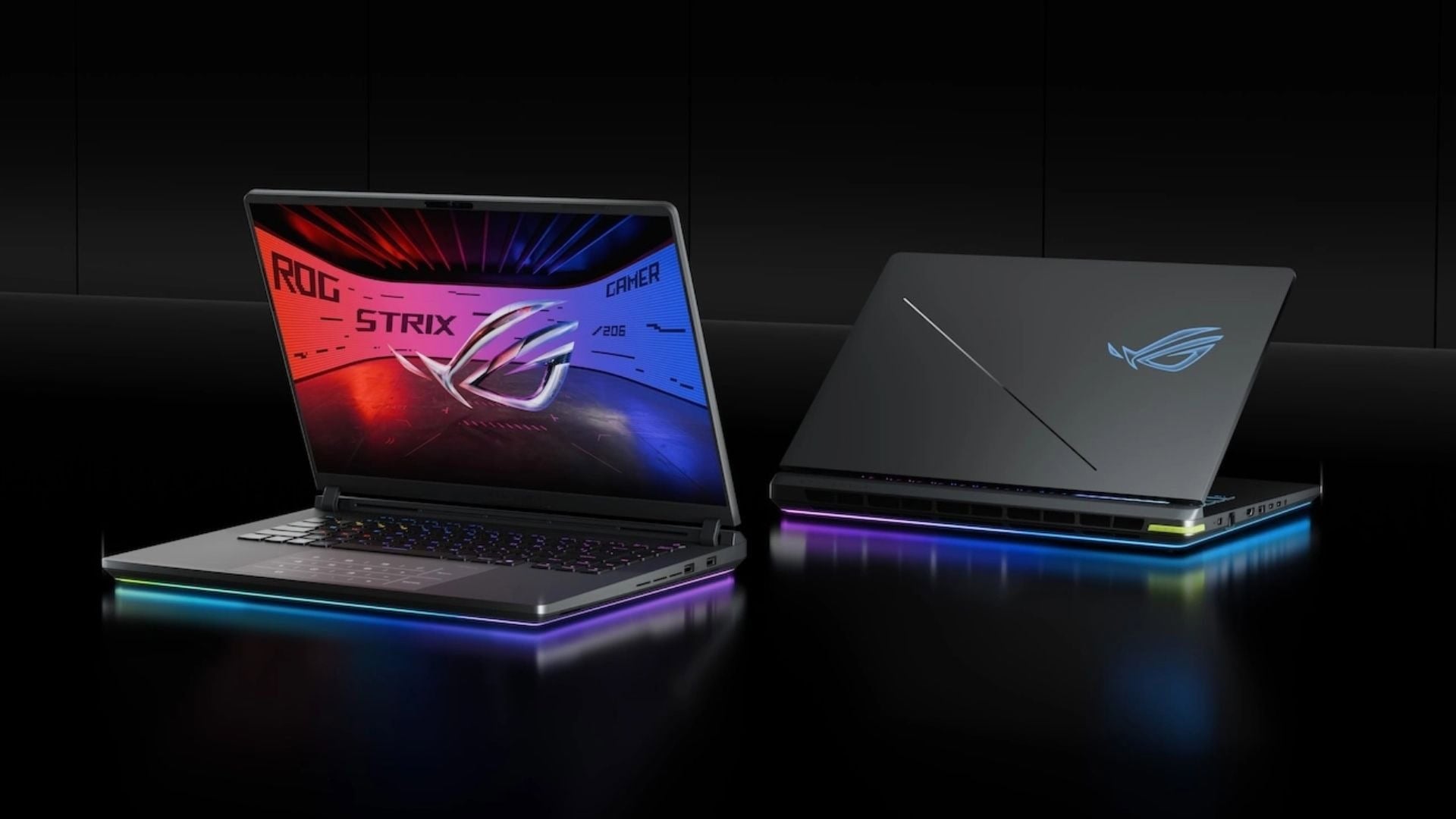
Gamers looking for flagship-level performance without flagship pricing can turn to the newly launched ROG Strix G615 and G815.
Equipped with Intel Core Ultra 9 processors and configurable with up to NVIDIA GeForce RTX 5080 Laptop GPUs, these laptops feature up to 18-inch 2.5K displays with an ultra-smooth 300Hz refresh rate, the signature tool-less chassis design, and the same Full-Surround Aura Lighting found on the premium SCAR lineup.
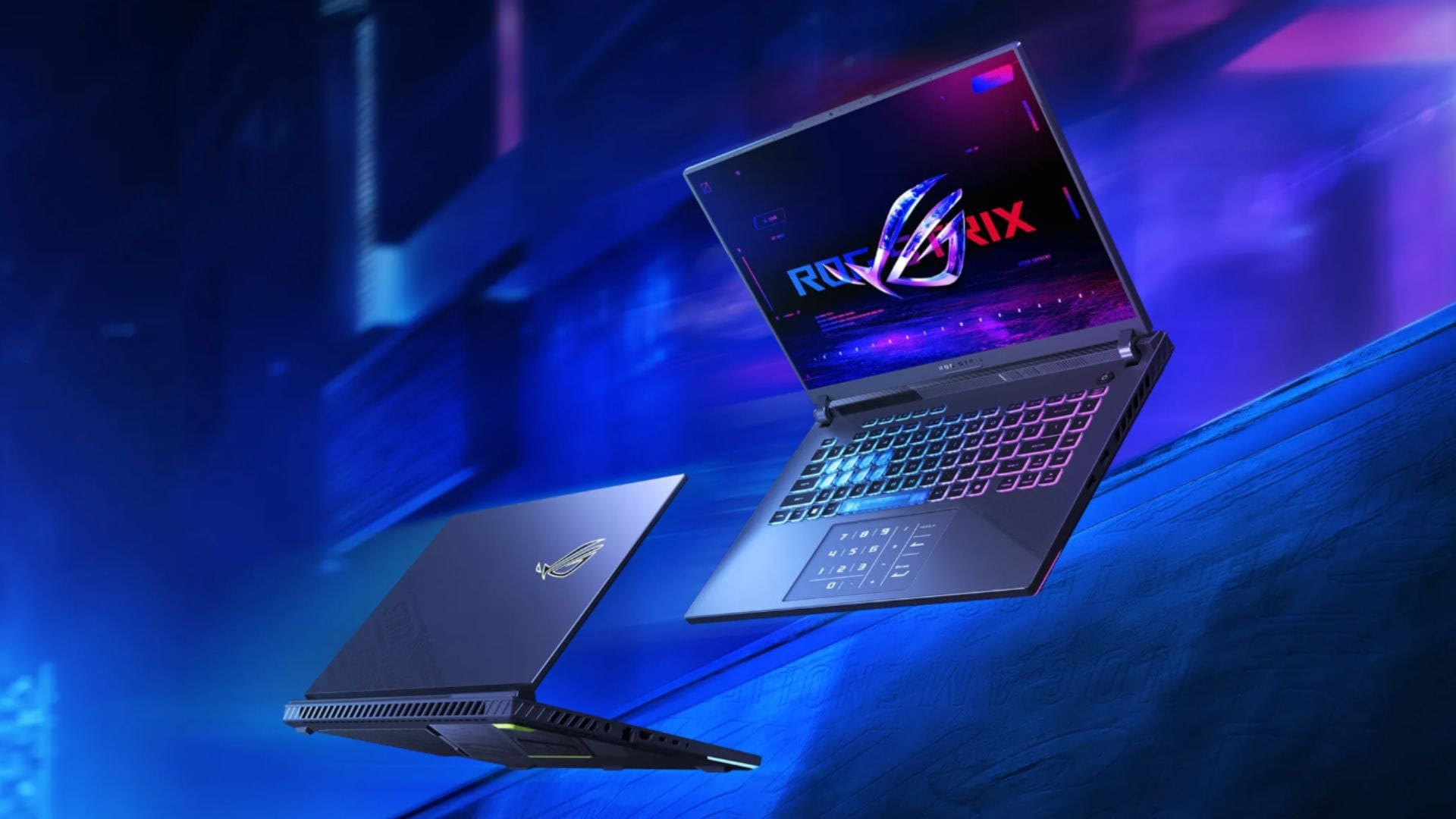
Meanwhile, the ROG Strix G614 remains one of the most accessible entry points into the ROG ecosystem.
Powered by an AMD Ryzen 9 8940HX processor and configurable with up to an NVIDIA GeForce RTX 5080 Laptop GPU, it combines serious gaming horsepower with an advanced cooling solution featuring Tri-Fan technology, seven heat pipes, and Conductonaut Extreme Liquid Metal.
A fast 300Hz 16-inch WUXGA display, along with Dolby Vision and Dolby Atmos support, completes a package that punches well above its class.
A Legacy Still Being Written
Looking back, it’s remarkable how many gaming trends ASUS ROG helped pioneer—from external GPUs and ultra-thin gaming laptops to handheld PCs, dual-screen designs, AI-powered gaming machines, and modular upgrade systems.
For 20 years, Republic of Gamers has consistently refused to settle for what already exists. Instead, it has challenged expectations, redefined categories, and inspired the rest of the industry to innovate alongside it.
That philosophy remains alive in its latest lineup. Whether it’s the boundary-pushing Zephyrus Duo, the beautifully engineered Zephyrus G series, the uncompromising Strix SCAR, or the value-packed Strix G lineup, every ROG machine reflects the same fearless ambition that started with a small team of engineers back in 2006.
Twenty years in, ASUS ROG isn’t simply celebrating its legacy—it continues to shape the future of gaming.
This article, The ASUS ROG Legacy: Two Decades of Pushing Gaming Forward, was originally published at NoypiGeeks | Philippines Technology News, Reviews and How to's.
Comments
Post a Comment