The Philippine delegation delivered impressive performance during its participation in the International Olympiad in Artificial Intelligence (IOAI). Held last August in Astana, Kazakhstan, the competition saw the four-member Filipino team secure medals in every category, bringing home one silver and three bronze awards. They competed against a massive field of 466 high school students representing 108 different countries and territories. The silver medal was earned by Theo Lorenzo T. Bustamante from the Philippine Science High School–CALABARZON Region Campus, who managed to rank 80th overall. The bronze medals were claimed by three other students: Ellison Matthew S. Ang of Philippine Science High School–Main Campus, Jhareign S. Solidum of University of Mindanao Ilang High School), and Juan Mateo J. Desuasido of Brent International School Manila. This result placed the Philippines among a select group of nations that successfully secured silver medals during their first IOAI appea...

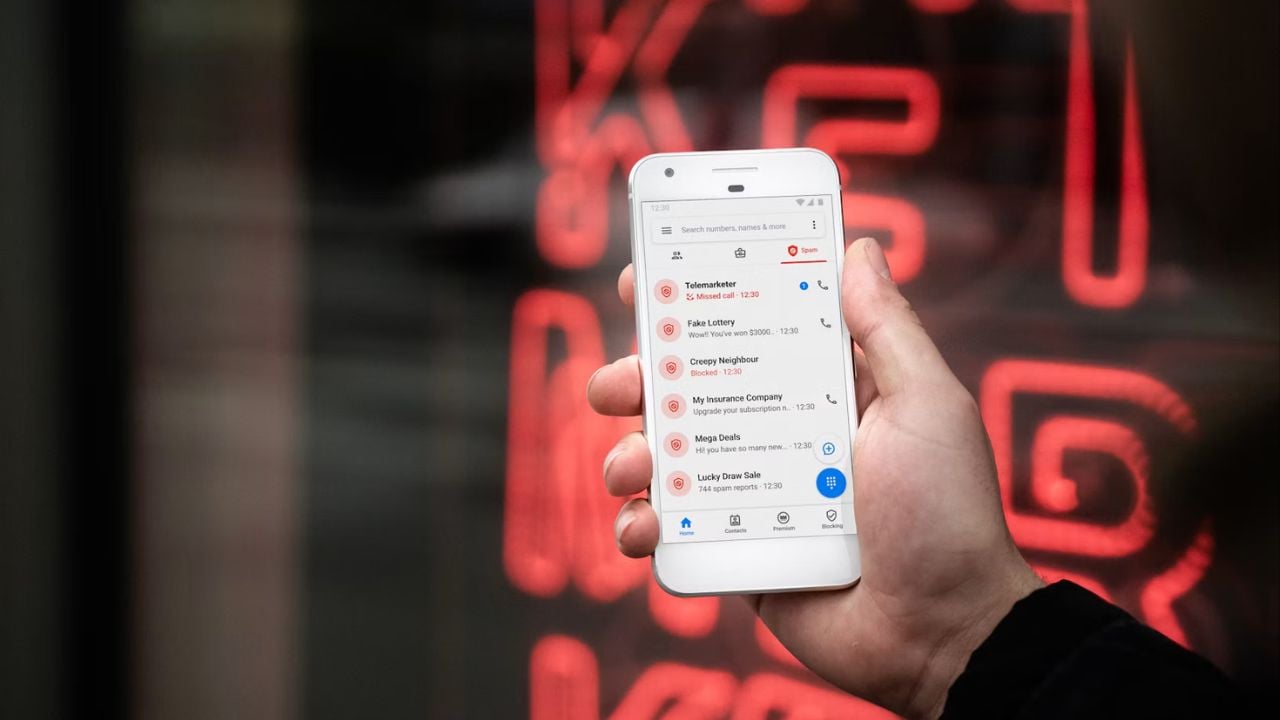
A professor from National University Manila has built a free website where people can check if their text or chat messages are fraudulent.
The platform is called “Scam Ba ‘To?” and it assigns risk levels of Red, Yellow, or Green after analyzing what the message tells the user to do, the web addresses it contains, and the overall situation around the transaction. The tool does not mark messages as scams simply because they include one-time passwords or push users to act quickly.
People can copy and paste questionable messages into the system. It then returns a risk rating and gives a clear explanation behind its decision. When available, it also points users to legitimate official channels they can refer to.
The tool works on various types of messages, such as billing notices, security alerts, shipping updates, official government announcements, and school communications.
A one-time password is safe when the user themselves triggered the transaction. But it becomes suspicious when the message asks the recipient to type that OTP into a different site, give it to another individual, or use it to stop a transaction they never authorized.
The platform does not assume a message is genuine just because it mentions a trusted brand or government body. Instead, it looks at the actions being requested, the transaction background, the links provided, and common scam behavior patterns.
A Red result means the system found risky behavior. Yellow suggests the user should do more checks before proceeding. Green indicates lower risk based on what the tool saw, though it is not a guarantee that the message is real.
The platform currently holds 77 Gold verified entities, 648 recognition entities, and 716 organization-intelligence profiles. The system went through 48,000 benchmark tests using more than 16,000 unique messages.
Escobañez works with NU’s College of Computing and Information Technologies, but he clarified that he developed this project on his own, separate from the university.
This article, Free scam checker in PH analyzes message behavior, not just keywords, was originally published at NoypiGeeks | Philippines Technology News, Reviews and How to's.
Comments
Post a Comment