If you’re flying through Tokyo’s Haneda Airport in the next couple of years, don’t be surprised if you see a robot moving luggage around. Japan Airlines is trying out humanoid robots as baggage handlers starting this month. The robots trial will run until 2028. Besides handling bags and cargo, the humanoid robots might also be tested on other jobs like cleaning airplane cabins or towing baggage carts. The goal is to see if these machines can work in busy, unpredictable spaces like airports without needing major changes to the building or equipment. So far, most factory and warehouse robots have been robotic arms or other fixed machines that do the same motion over and over. Humanoid robots are different. They look more like people and are supposed to handle a wider range of tasks. But they also face bigger challenges, especially when it comes to safety and working alongside real humans. Japan Airlines is working with its ground service team and a compa...
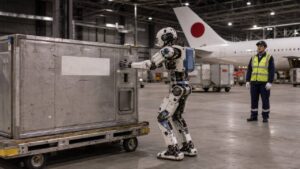
If you’re flying through Tokyo’s Haneda Airport in the next couple of years, don’t be surprised if you see a robot moving luggage around. Japan Airlines is trying out humanoid robots as baggage handlers starting this month.
The robots trial will run until 2028. Besides handling bags and cargo, the humanoid robots might also be tested on other jobs like cleaning airplane cabins or towing baggage carts. The goal is to see if these machines can work in busy, unpredictable spaces like airports without needing major changes to the building or equipment.
So far, most factory and warehouse robots have been robotic arms or other fixed machines that do the same motion over and over. Humanoid robots are different. They look more like people and are supposed to handle a wider range of tasks. But they also face bigger challenges, especially when it comes to safety and working alongside real humans.
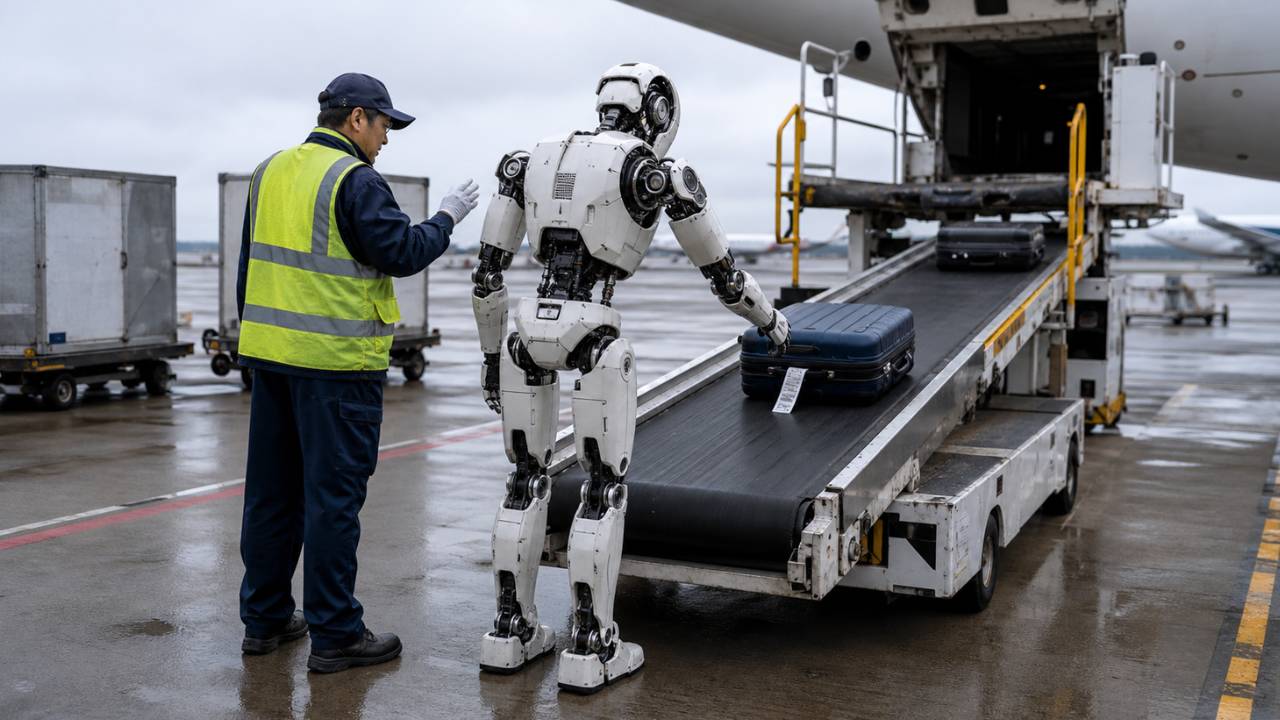
Japan Airlines is working with its ground service team and a company called GMO AI & Robotics on this project. They plan to test two robots made by Chinese companies: the G1 from Unitree Robotics and the Walker E from UBTECH Robotics.
In a video from a practice session inside an airplane hangar, one robot walked up to a large cargo container and sort of pushed at it. But the container didn’t move until a person turned on a conveyor belt. So it’s clear the robots are not ready to replace human workers just yet.
Safety is a big concern. Haneda is Japan’s second busiest airport, with planes landing every two minutes or so. Having robots move around near people and fast moving equipment could be risky. That’s why the first step of the trial is to figure out which areas of the airport are safe enough for the robots to operate in.
Source: Arstechnica
This article, Japan Airlines tests humanoid robots as baggage handlers, was originally published at NoypiGeeks | Philippines Technology News, Reviews and How to's.
Comments
Post a Comment