Like every other sports game, there’s a new WWE 2K game every year. I played a lot of them in recent years, so we decided to check out the new WWE 2K26. I wasn’t expecting much difference when I booted up WWE 2K26. But after over 30 hours of gameplay and going through CM Punk’s showcase, here’s our take on what’s to expect inside this new wrestling game. Stamina System: Finally, some consequences The biggest change in 2K26 is the new stamina system, and it’s exactly what the series needed. Run your stamina into the ground and your wrestler gets “winded,” when the stamina wheel becomes purple. While winded, you can’t run or even use reversals until you recover. That makes sense, which makes it more realistic. This completely changes how you approach matches. In WWE 2K25 and 2K24, you could button-mash reversals and never worry about consequences. Run endlessly, throw bombs, hit finishers, barely break a sweat. The reversal system was broken — master the timing and y...

Like every other sports game, there’s a new WWE 2K game every year. I played a lot of them in recent years, so we decided to check out the new WWE 2K26.
I wasn’t expecting much difference when I booted up WWE 2K26. But after over 30 hours of gameplay and going through CM Punk’s showcase, here’s our take on what’s to expect inside this new wrestling game.
Stamina System: Finally, some consequences
The biggest change in 2K26 is the new stamina system, and it’s exactly what the series needed. Run your stamina into the ground and your wrestler gets “winded,” when the stamina wheel becomes purple. While winded, you can’t run or even use reversals until you recover. That makes sense, which makes it more realistic.
This completely changes how you approach matches. In WWE 2K25 and 2K24, you could button-mash reversals and never worry about consequences. Run endlessly, throw bombs, hit finishers, barely break a sweat. The reversal system was broken — master the timing and you’re unstoppable. I spent hours in 2K25 becoming the Tribal Chief of hitting one button at the right time, making matches boring.
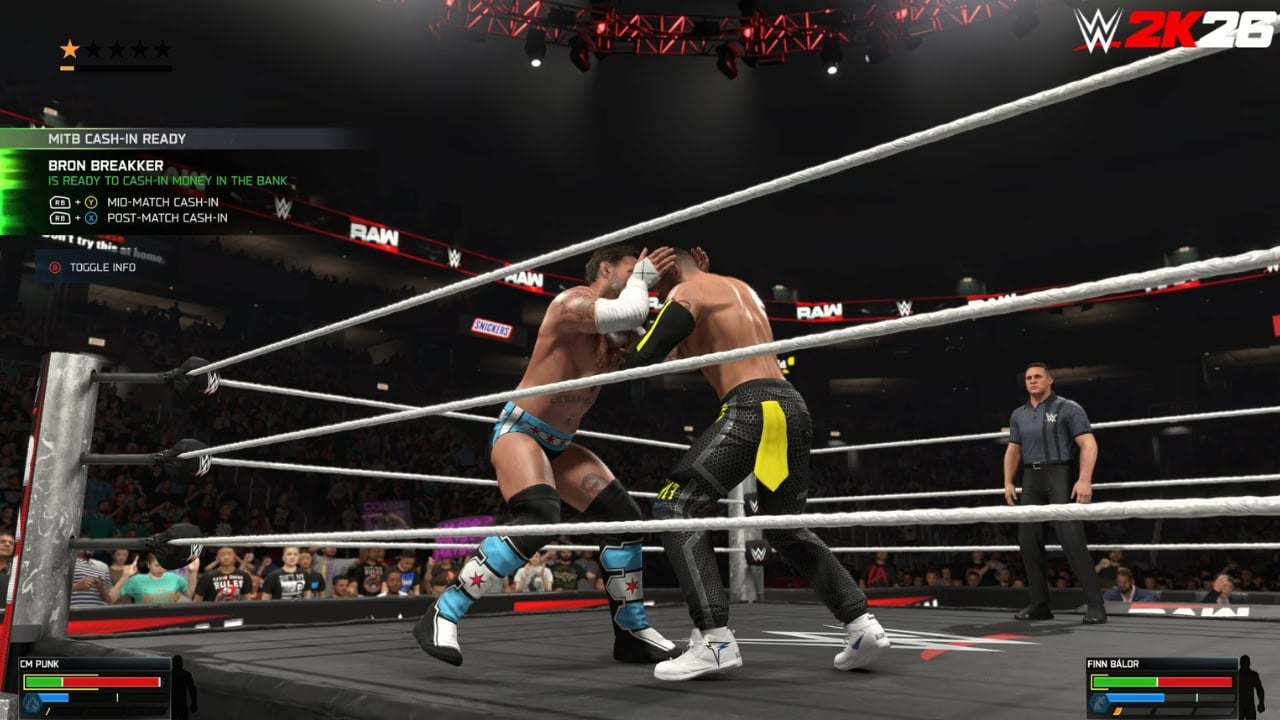
Now? Every action has weight. Run too much? Punished. Trade too many blows without thinking? Punished. The system also addresses the seemingly unlimited reversal problem of previous generations, as making moves cost stamina add real consequences when doing it too often.
Reversal prompts are still not that intuitive, though. Timing windows sometimes feel inconsistent, but that’s probably different per move. Building muscle memory requires hours of practice. It’s way better than 2K25 and previous releases, though, as it requires more skill.
New Match Types: A blast from the past
2K26 brings back some classic match types that haven’t been seen in years: I Quit, Dumpster, Inferno, and Three Stages of Hell.
Instead of the button-mashing submission minigame from 2K25 (where you just hammered the shoulder buttons until someone tapped out) in the I Quite match, both players now need to pass a series of checks by hitting the right spots on a gauge. The gauge shrinks as you take damage, making it progressively harder to escape. Opponents can also add blockers to your gauge to make your life even more difficult. These blockers are earned the same way finishers are earned — through performing moves and building momentum. It’s clever, tactical, and genuinely engaging without being overwhelming. This is the kind of innovation I’d love to see more of going forward. Compared to what 2K25 offered in terms of new match types, this is a massive upgrade.
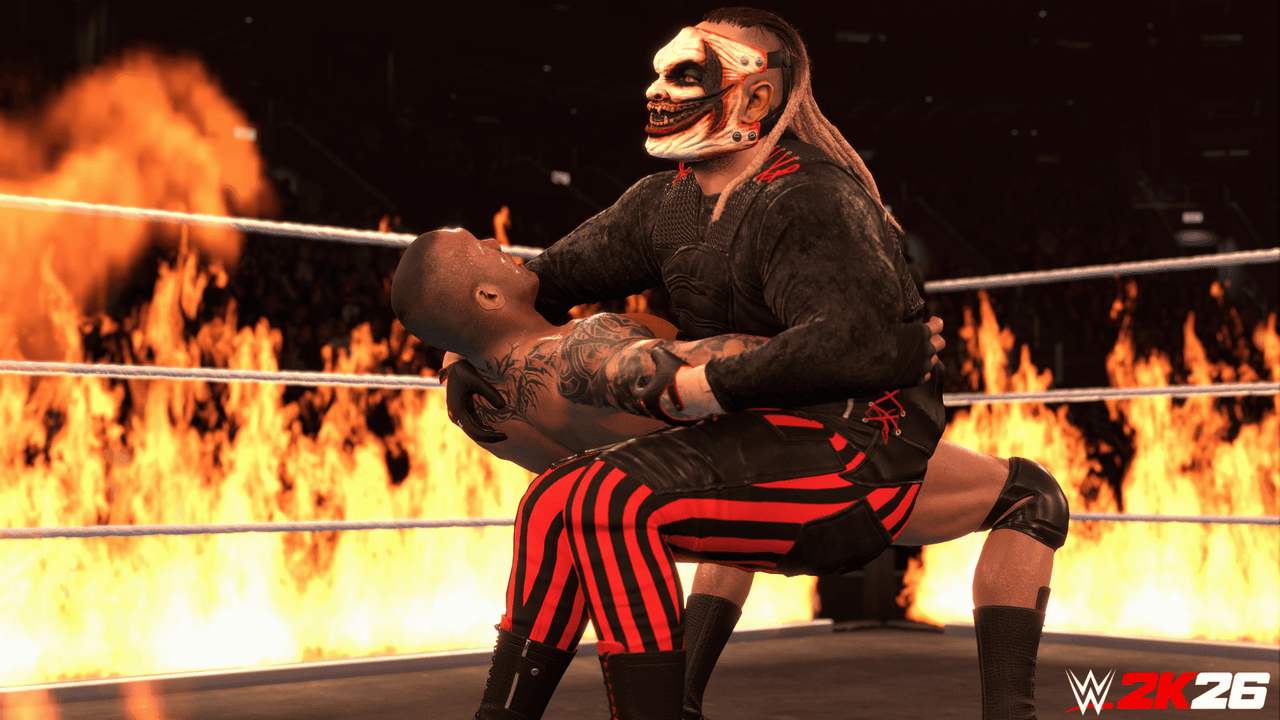
Three Stages of Hell is a gauntlet match where you pick three different stipulations, where you should beat your opponent in 2 out of 3 matches. You might start with a regular match, then move to a submission match, then finish with a ladder or Hell in a Cell match, for example. It’s fun for a one-off with friends but doesn’t have much replay value since the novelty wears off after you’ve tried a few combinations. 2K25 didn’t offer anything quite like this, so it’s a welcome addition for variety seekers.
The Dumpster Match is kinda similar to the Casket and Ambulance matches we’ve seen in previous games. You weaken an opponent, then shove them into a box in order to win the match. It’s fine, but nothing special. It feels like 2K just needed to fill out the roster of match types and grabbed an old template from the vault. At least it’s not another rehash of Last Man Standing, which seemed to be the default in 2K24 and 2K25.
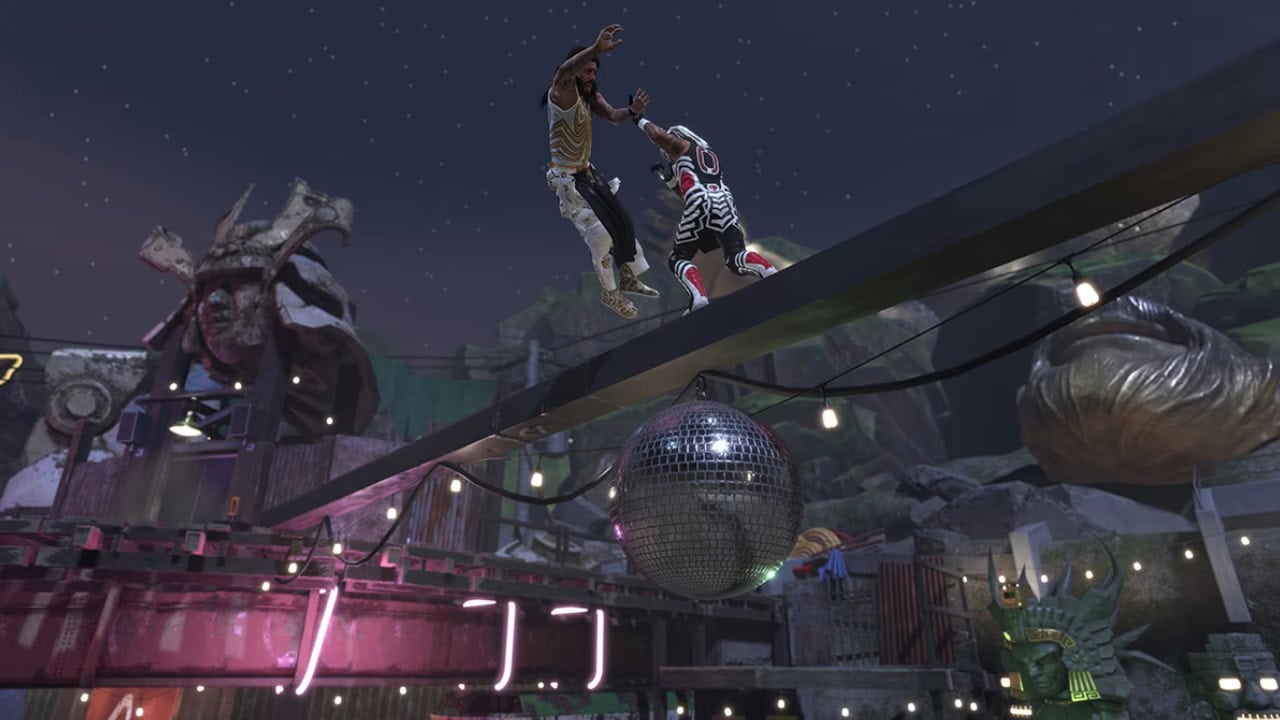
The Inferno Match, which we previously saw in old SmackDown versus Raw games, is back. To win, players basically need to beat up their opponent and fill up their temperature gauge, where they can then push them to the flames. It’s cool the first few times you play it, as there’s something satisfying about setting someone on fire in a video game, but the novelty wears off fast. After three or four matches, you’ve seen everything it has to offer.
Physics Improvements: Things actually bump
Visual Concepts tweaked the collision physics, improving it a bit compared to the more robot-like interactions of older games. Throws and bumps now interact with objects instead of being trapped in canned animation sequences. This is welcome compared to 2K25, where physics felt unchanged from 2K24.
Throw someone into the ropes, and they’ll bounce off instead of clipping through. Throw them on the ring stairs, and they’ll crunch around the metal. I distinctly remember in 2K25 throwing opponents into the barricade and watching them sometimes clip halfway through like ghosts. That’s fortunately fixed here.
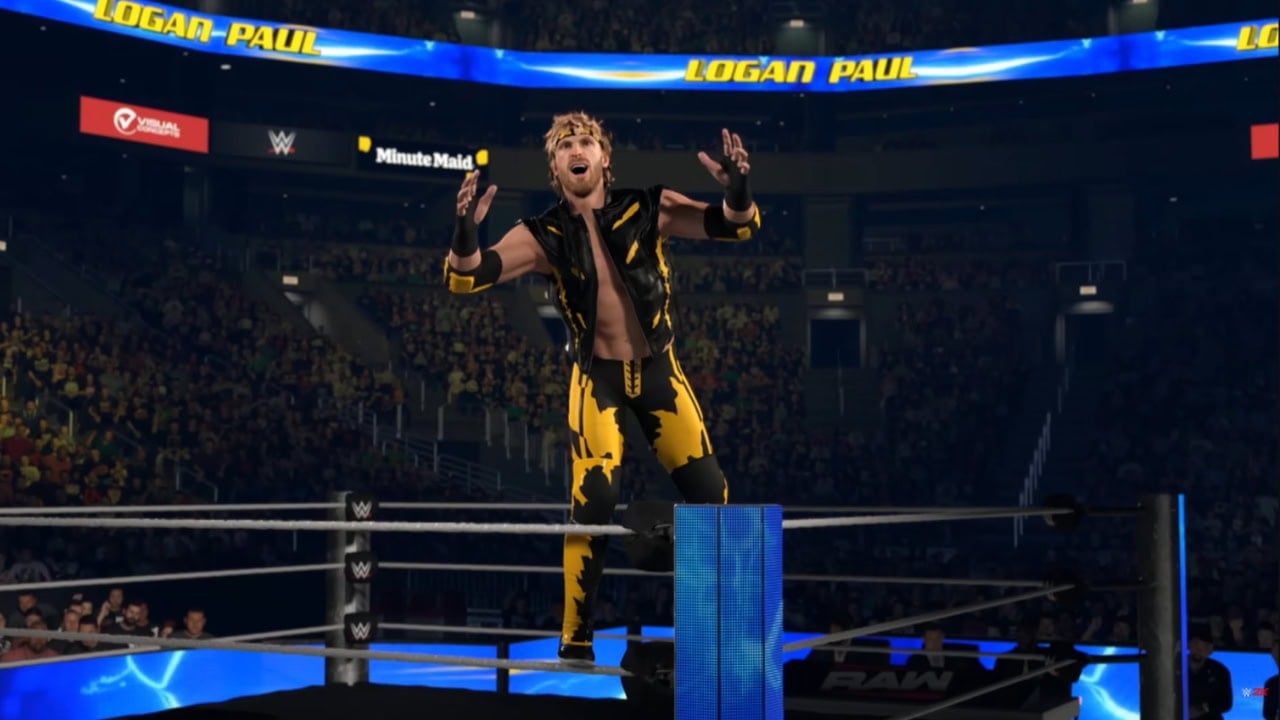
Does this translate to more damage? I think not. But it makes matches feel more dynamic, which is a win. The physics system has always been weak in the 2K series, and while this doesn’t fix everything, it’s a step in the right direction. It reminds me of the improvements seen in NBA 2K26.
MyRise and MyGM
I really haven’t dived much into MyRise or MyGM modes yet, but I tested it enough to know that not much has changed. They’re mostly carryovers from 2K25 with incremental updates.
MyRise in 2K25 was solid, a decent story mode with branching narratives and extensive character creation. The mode has evolved significantly from 2K20’s barebones offering.
MyGM in 2K26 was fun for fantasy booking — create your own brand, sign wrestlers, book events, compete against AI or friends. For players who enjoyed the management side, it was surprisingly deep. 2K26 adds a few new features.
Expect more of the same if you’ve played 2K25. They’re solid modes that don’t need reinvention, just more content and refinement, which is probably all we need.
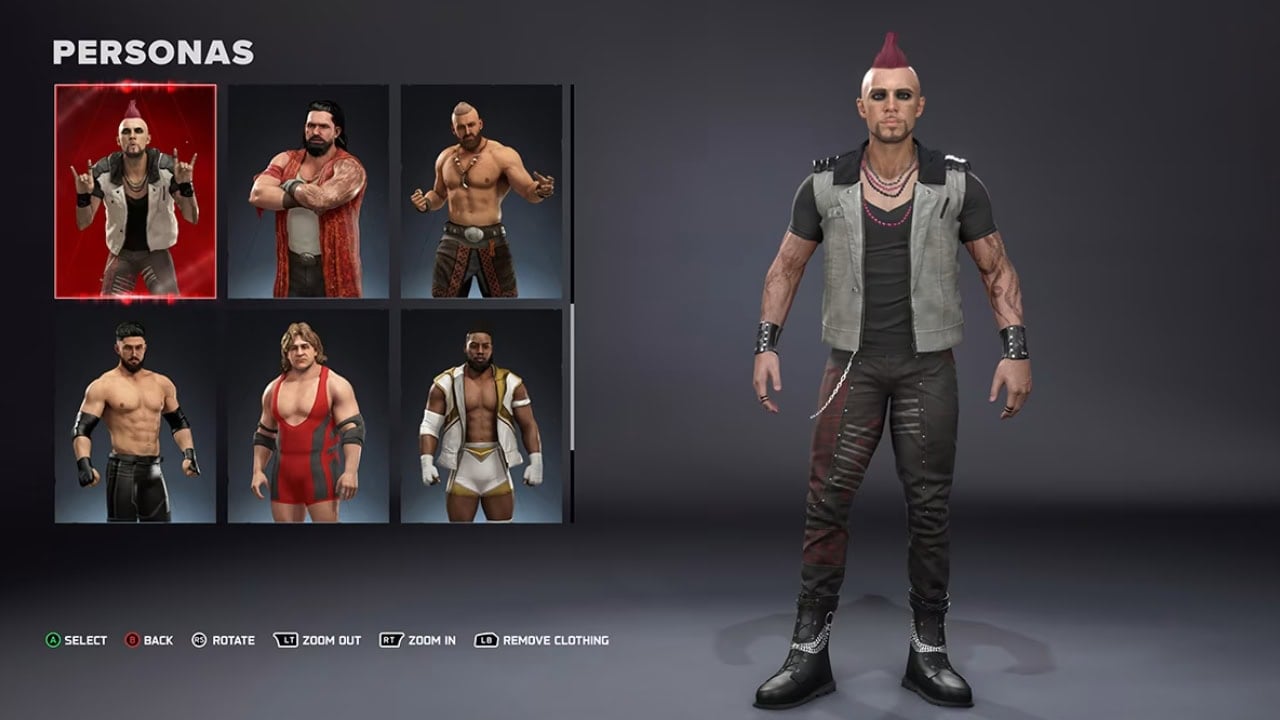
The Island: Still weird, still kinda fun
The Island, that strange open-world multiplayer hub where you create wrestlers, run around, and compete on leaderboards, is back. Introduced in 2K25 at launch was a mess because of terrible writing and janky pacing.
This year it’s more coherent, fully voiced, and easier to navigate. The faction system adds structure where there are three distinct factions fighting for control, and choosing your side adds narrative weight. An improvement over 2K25’s beta-like release.
The concept is still kind of ridiculous and fun in a good way. It’s basically a pro wrestling RPG, similar to how NBA does it. Creating custom wrestlers and interacting with other players online is pretty enjoyable.
But monetization is creeping in hard. Expect microtransactions nudging you toward spending real money. This was a problem in 2K25, and with the battle pass bleeding into The Island, it’s even worse for those who don’t want to spend even more money.
Microtransactions and Battle Pass
Let’s talk about the elephant in the room: the battle pass. This is new for 2K26, and it’s not great. Not great at all. This is perhaps the biggest change from 2K25, and it’s not a positive one.
There’s a free track and a premium track. A bunch of the free rewards included are things you’d have earned through gameplay in previous games like championships, arenas, cosmetics, and superstars. Remember when you could just buy the DLC wrestlers you wanted in 2K23, 2K24 and 2K25? Now you have to grind for them. Or pay.
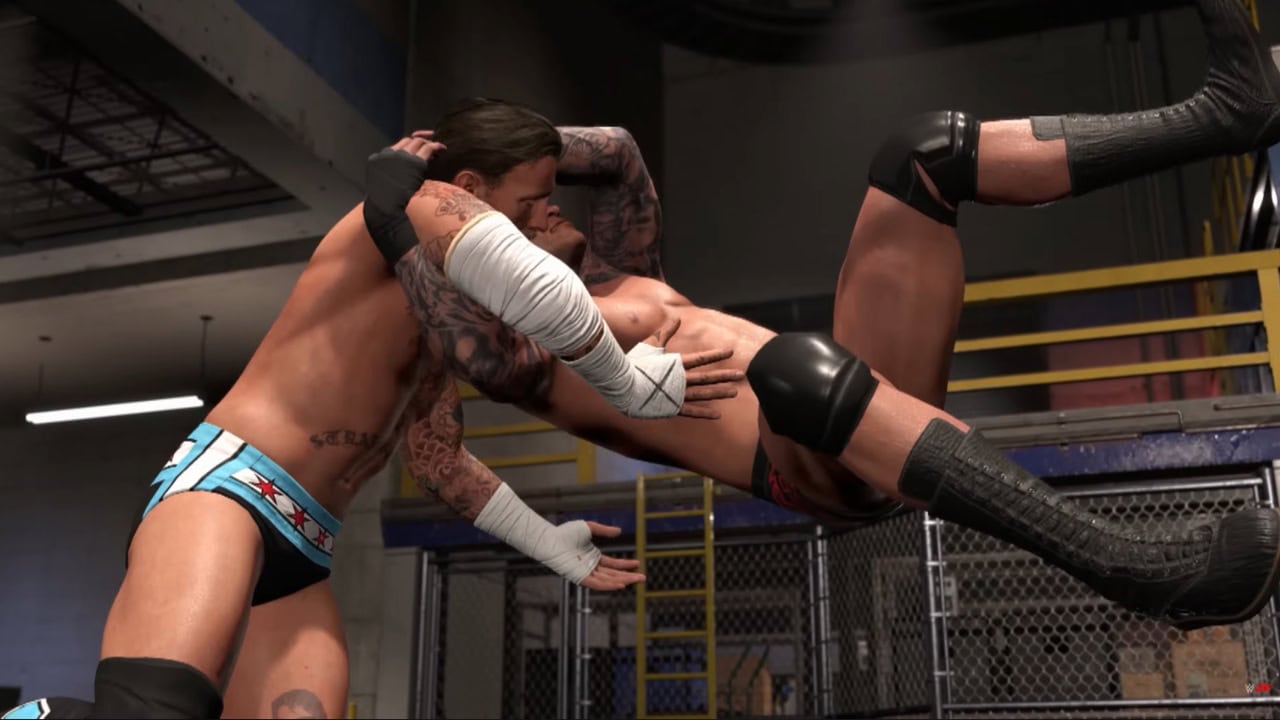
The premium track is mostly MyFaction-related elements with extra wrestlers as a bonus, with the 1st season built around AAA stars. Season 2, on the other hand, features old school wrestlers.
Here’s the real problem: unlocking tiers takes a hell of a lot of work. It took lots of hours playing exhibition matches trying out different modes, CM Punk’s Showcase, and The Island, and it only got me half way. Tier 40 has some cool stuff, including Bray Wyatt’s last costume, but the grind is brutal. Don’t get me wrong, I enjoy playing the game. But grinding for features that should’ve been included is tiring.
This feels like a really weird move. Replacing the old DLC drops (which were also a money grab, but at least straightforward) with a battle pass means grinding countless matches to unlock things you’d just buy before. It’s worse and more expensive. In this area, 2K25 was honestly better.
CM Punk’s Showcase Mode
The Showcase mode is themed around CM Punk’s two-pronged WWE career — his initial run from 2011-2014 and his surprise return in 2021. This is actually a smart choice thematically, since Punk’s WWE journey represents both the heights of indie wrestling popularity being brought to the main stage and the dramatic redemption arc of a superstar who left in controversy and came back to a hero’s welcome. On paper, there’s a lot of narrative meat to work with.
In practice, it suffers from the same issues it’s always had — and this was a problem in both 2K25 and 2K24: gaping holes in history it has to ignore for corporate reasons, awkward attempts to recreate major moments from real matches as gameplay moments, and a general sense of incompleteness.
The 10+ year gap in Punk’s career doesn’t help either. There’s simply not enough memorable WWE moments to fill a showcase mode — the guy was gone from WWE for nearly a decade, wrestling elsewhere (in ROH, AEW, and UFC) while the company pretended he didn’t exist. The first chapter of his WWE career (2011-2014) is well-documented and features some genuinely great matches: his feud with John Cena and Jeff Hardy, as well as his work with Paul Heyman as the “Best in the World.” But the second chapter is still being written and hasn’t had the same iconic moments yet.
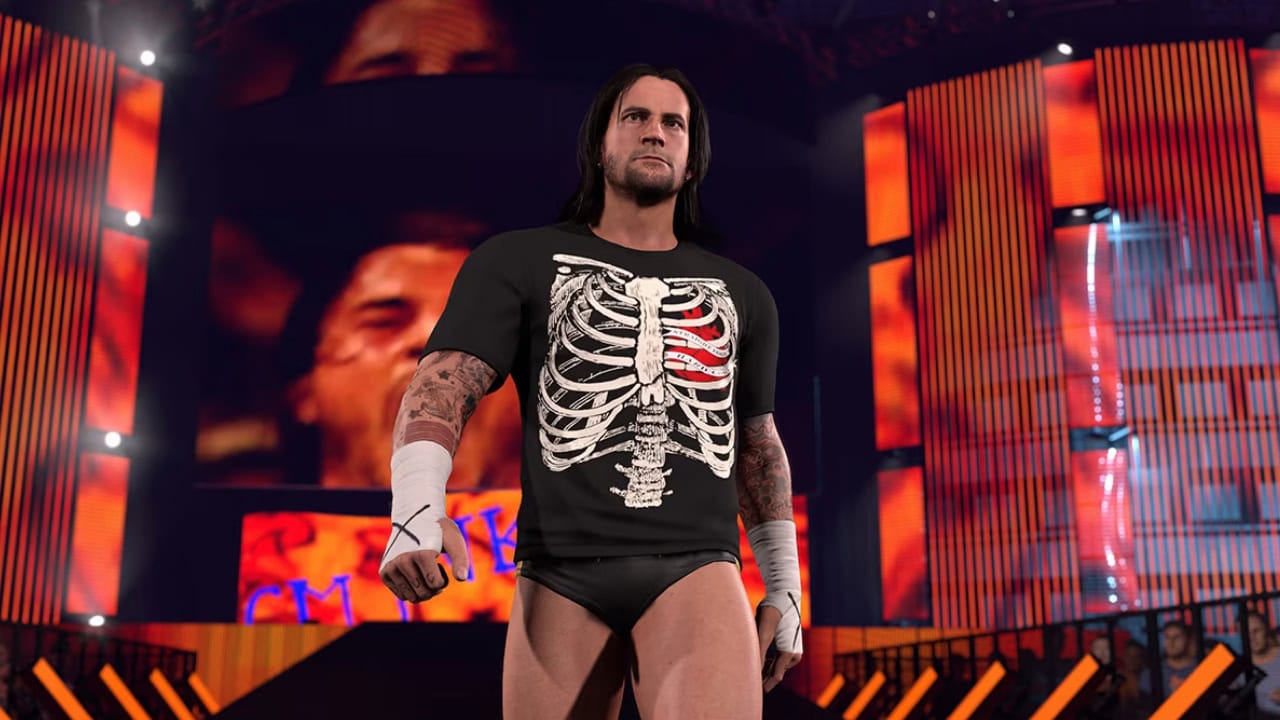
So the game tries to compensate with metanarrative time travel nonsense, letting Punk use “Slingshot Technology” to undo losses in his career, embody Bret Hart to prevent the Montreal Screwjob, and indulge in a bunch of “what if” dream matches. These fantasy bookings feel less like honoring Punk’s legacy and more like padding out content to fill the showcase’s runtime. The dream matches are cool in theory — who wouldn’t want to see Punk face The Rock or Stone Cold? — but they feel hollow when there’s no real narrative stakes behind them.
These definitely feel more like busy work than cool experiences, even though they are right in line with the nature of wrestling games to begin with. It’s a fundamental problem with the Showcase format as it tries to be both a historical document and a fantasy sandbox.
But to be honest, I kind of like it. The 2K25 Showcase had similar problems, trying to cover too much ground without enough interesting matches to draw from. At least 2K24’s showcase (which focused on WWE’s 2K anniversary and featured legends across different eras) felt more focused, even if it had its own issues.
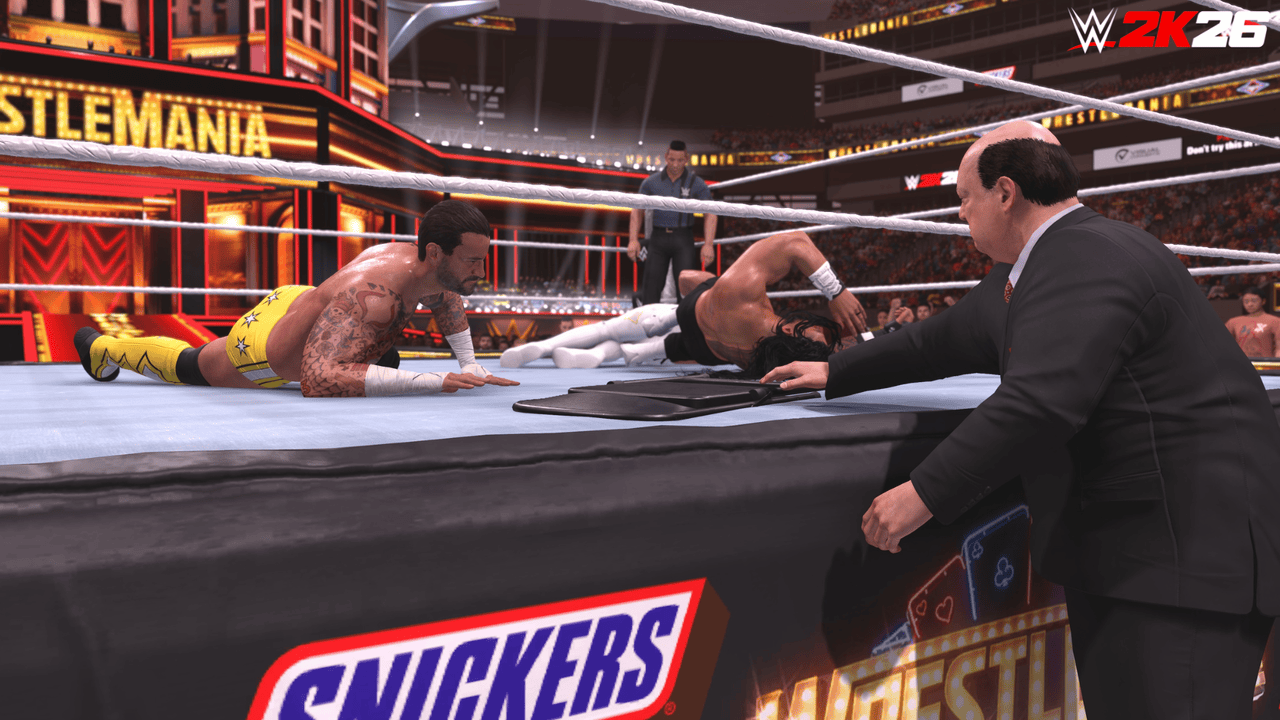
The gameplay in the CM Punk Showcase also feels recycled. You’re mostly doing standard exhibition matches with flimsy narrative framing — “Punk remembers this match, so here’s a rivalry bout” — rather than anything particularly creative or interesting. There are some specific recreation moments that try to capture famous matches from Punk’s career, but the controls often feel too stiff to properly recreate the flow of those matches. It’s the same problem 2K25 had: the gameplay doesn’t quite match the spectacle being depicted. Yes, it’s lacking, but it’s good enough in most cases.
Ultimately, the CM Punk Showcase feels like a decent experience. Here’s a wrestler with one of the most compelling stories in modern wrestling — the meteoric rise, the bitter departure, the years of exile, the triumphant return — and the game reduces it to generic match templates and “what if” fantasies. Showcases work best when there’s clear historical narrative to follow. Punk’s WWE story is inherently fragmented, and the game doesn’t do enough to fill in the gaps creatively.
Game Performance
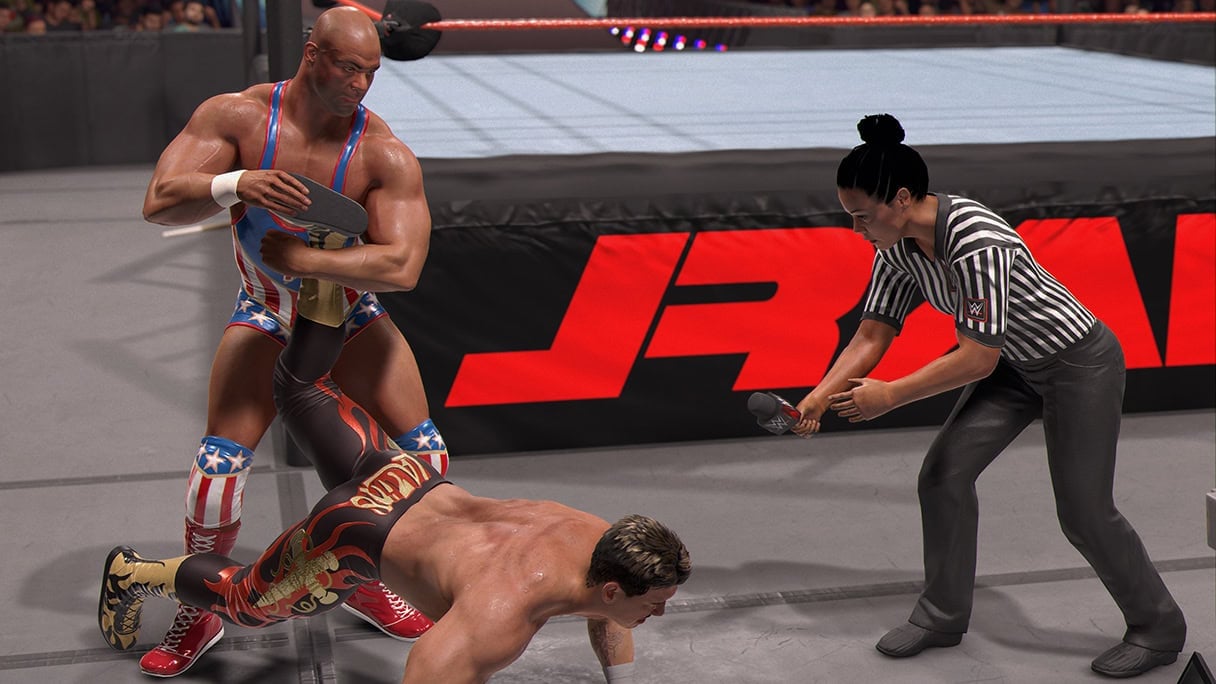
On my RTX 3080 PC, WWE 2K26 runs well at 4k resolution. I easily hit 60+ FPS even with ray tracing on. The visuals are impressive and the character models look great, with dynamic ring lighting that improves on previous iterations. Load times are reasonable, around 10-15 seconds into a match, faster than 2K25.
Minor stutters during cutscenes and occasional physics glitches (one time my created wrestler fell into the void through the ring apron), but nothing game-breaking. The PC port is playable, far better than the disaster that was WWE 2K20. More stable than 2K25’s bumpy PC launch.
Roster: Solid, with some notable additions and big omissions
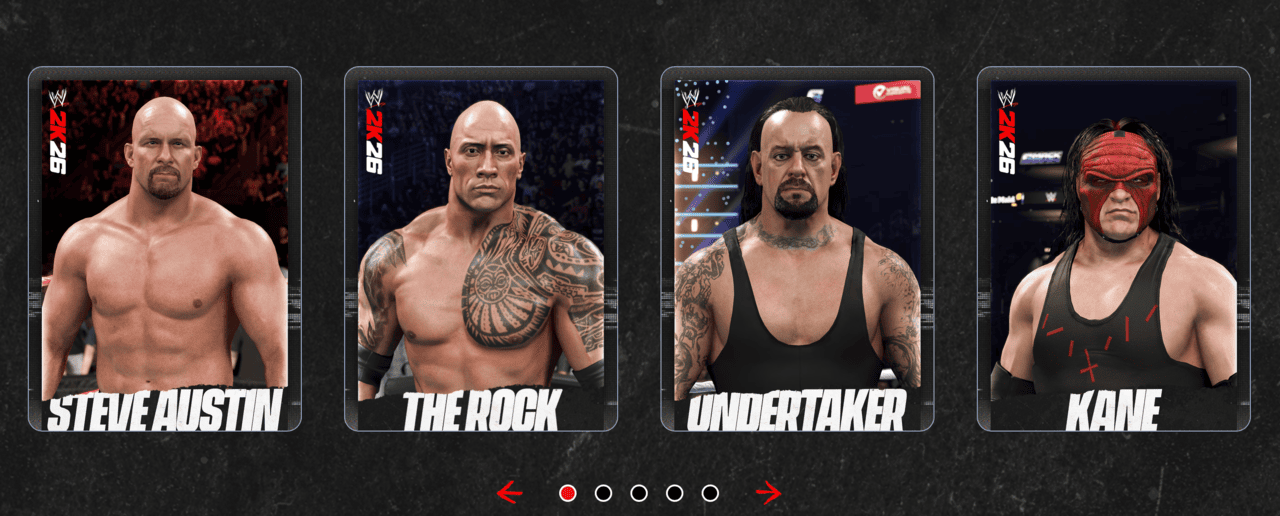
The roster in WWE 2K26 is packed: we’re talking 300+ superstars, legends, and DLC characters when you factor in everything. The base roster includes current WWE talent across Raw, SmackDown, NXT, and NXT UK, plus a solid lineup of legends from various eras.
New Additions
The standout additions this year include the returning Cody Rhodes (complete with multiple attires reflecting his different WWE eras), the newly crowned WWE Champion, and several NXT call-ups who’ve been making waves. The game also includes recently released talent who appeared in WWE throughout 2025, ensuring the roster feels current. DLC packs add even more variety.
The character models have received noticeable upgrades, particularly for main roster talent. Faces look more expressive, and the attention to detail on ring gear and entrance costumes is impressive. Create-a-Superstar has been expanded with more options for ring attire, entrance motions, and move sets — though the interface still feels clunky and could use a complete overhaul.
Notable Omissions
Here’s where things get tricky: several fan-favorite wrestlers are notably absent. Some departed WWE talent who fans expected to see simply aren’t in the game, likely due to licensing complexities that continue to plague the series. The game’s predecessor had similar issues, and 2K26 doesn’t fully resolve them.
Legends are represented well overall, but the selection feels recycled from previous entries with few new additions. We’d hoped for more variety in the era representation, but 2K played it safe here.
Create-a-Superstar: Gear and Moves
The Create-a-Superstar mode remains deep but dated. You have thousands of options for creating custom wrestlers, but the menu navigation is a pain. Creating a fully customized character takes far too long.
The gear and costume options have expanded, with new attires for existing superstars and additional options for created characters. However, the community has already uncovered ways to import certain assets that push the boundaries of what’s officially supported.
Verdict
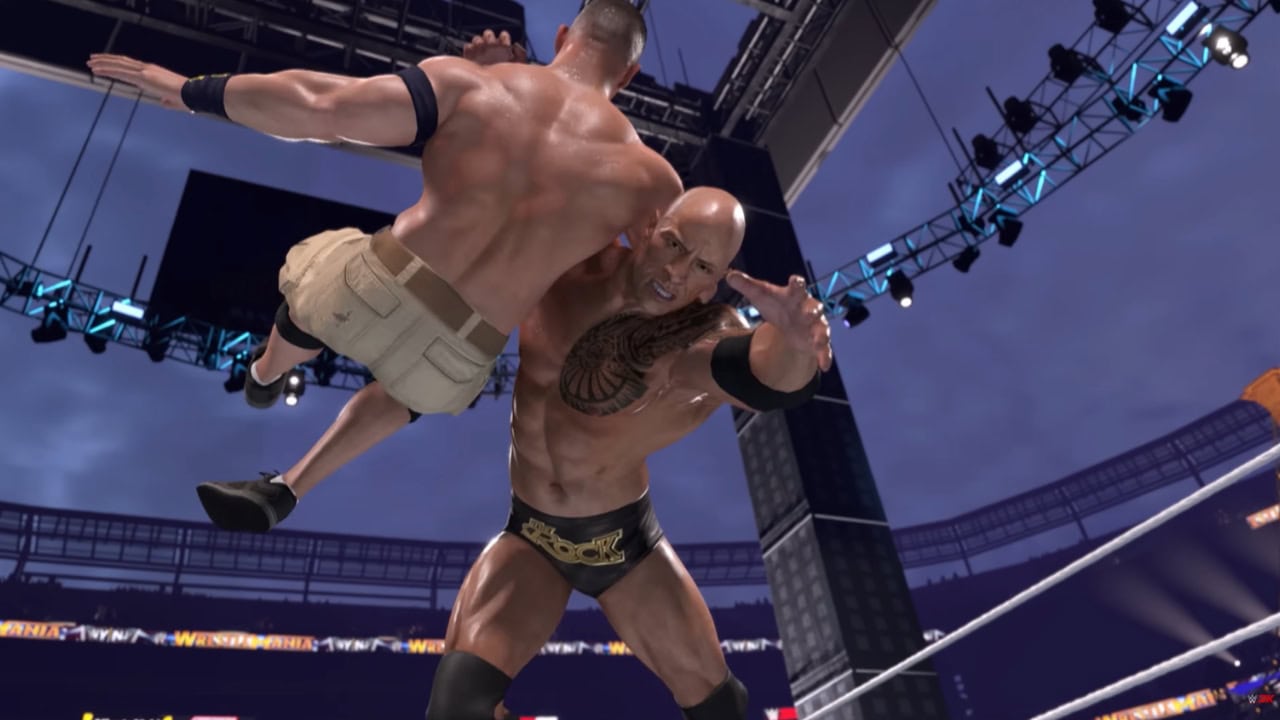
WWE 2K26 proves this five-year run was built on a great foundation. The stamina system is a meaningful improvement making matches more strategic. New match types are mostly fun, with I Quit being a genuine highlight. Physics changes make matches feel more dynamic. These are real improvements over 2K25.
But changes are starting to hurt more than help. The battle pass makes collections worse and more expensive than 2K24 or 2K25. The showcase improved but still lacked in some areas, with the same corporate-mandated gaps and awkward recreations. 2K26’s reversal system, while much improved, is still janky at times. Let’s hope that they continue to improve it in the future.
Is it worth buying? If you’ve enjoyed previous WWE 2K games, then probably yes. Core gameplay is solid and there’s plenty of content to keep you entertained. While we do have some criticisms, there’s still no better game out there that does wrestling like this one.
You can purchase WWE 2K26 on Steam starting at Php2,920. It’s also available for PlayStation, Xbox, and Nintendo Switch 2.
This article, WWE 2K26 Review, was originally published at NoypiGeeks | Philippines Technology News, Reviews and How to's.
Comments
Post a Comment